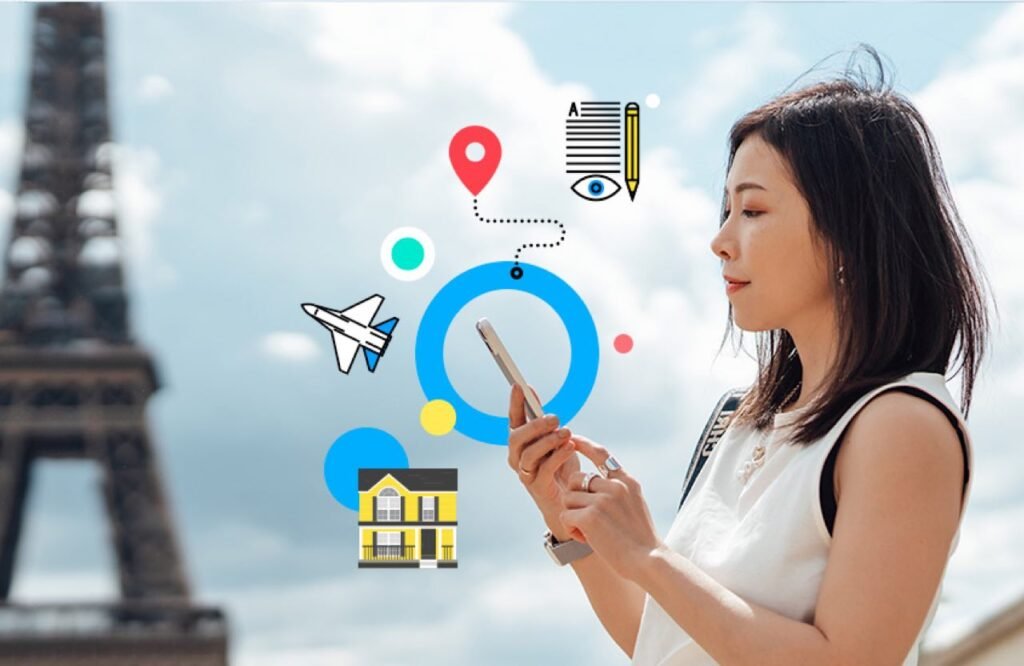
Travel is no longer just about reaching a destination — it’s about the experience, the efficiency, and the connection. As technology continues to evolve, the travel industry is undergoing a digital transformation that’s redefining how we plan, explore, and enjoy our journeys.
From AI-driven trip planners to sustainable eco-stays, the future of travel is smarter, more personalized, and deeply connected to innovation.
AI-Powered Personal Travel Assistants
Imagine an AI agent that knows your travel style better than you do — recommending destinations, planning itineraries, and even predicting your mood based on previous trips.
Modern travel platforms use AI algorithms to:
- Suggest ideal destinations based on preferences and weather.
- Find real-time flight and hotel deals.
- Optimize travel itineraries to save time and money.
- Provide personalized food, activity, and event suggestions.
Soon, you won’t just book a trip — your digital travel companion will design an entire experience around you.
The Rise of Contactless and Seamless Travel
From digital boarding passes to biometric security checks, the modern airport experience is becoming frictionless. Facial recognition, digital IDs, and automated check-ins are transforming air travel efficiency.
These innovations mean less queuing, fewer documents, and more secure transit across borders. The goal: a fully connected, paperless journey.
Smart Luggage and Connected Devices
Gone are the days of lost baggage and travel confusion. Smart luggage now comes equipped with GPS trackers, digital locks, and weight sensors.
Paired with your phone, your suitcase can alert you if it’s opened unexpectedly or strays too far. For frequent flyers, this tech-driven peace of mind is invaluable.
Sustainable Tourism and Eco-Conscious Travel
Sustainability is now a core pillar of modern travel. From carbon-offset flights to eco-friendly accommodations, travelers are becoming more mindful of their environmental footprint.
- Hotels are adopting green certifications and using renewable energy.
- Airlines are investing in biofuels and hybrid aircraft.
- Tourists are supporting local and regenerative tourism initiatives.
This evolution means technology isn’t just enhancing travel — it’s making it responsible.
Virtual and Augmented Reality in Travel
VR and AR are opening a new dimension of exploration. Before you even pack your bags, you can:
- Preview destinations in 360° virtual tours.
- Visualize hotels or attractions in AR before booking.
- Enhance real-world exploration with AR-guided tours that overlay historical facts or restaurant reviews right onto your screen.
In the near future, VR-based “try-before-you-fly” experiences might redefine how travelers choose destinations.
Hyper-Personalization Through Data
The fusion of AI and IoT allows travel brands to create hyper-personalized experiences — from customized room temperatures to curated playlists based on your travel mood.
Your hotel could recognize your check-in time, pre-set your lighting, and recommend nearby activities aligned with your interests.
It’s not just travel — it’s a seamless lifestyle extension powered by data intelligence.
The Road Ahead
The next generation of travelers will experience a blend of physical and digital worlds. Smart hotels, AI travel planners, and immersive AR guides will become standard.
But amid all this innovation, one truth remains: the soul of travel lies in discovery. Technology’s purpose isn’t to replace that magic — it’s to enhance it.