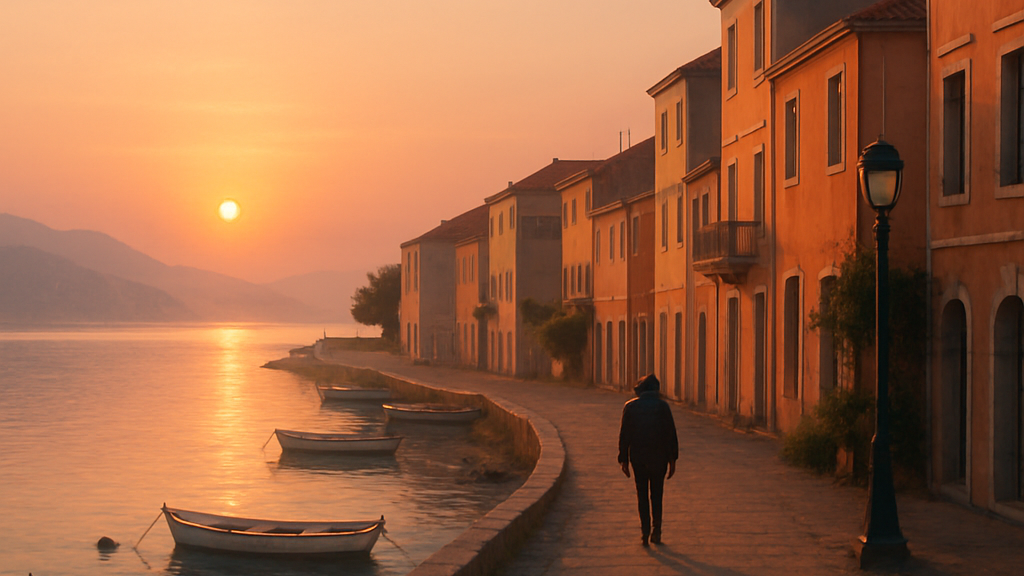
For years, travel culture was built on speed — ticking off sights, capturing quick photos, and posting itineraries online. But global travel trends in 2025 reveal a noticeable shift: travellers are slowing down.
“Slow Travel” is not simply about moving slowly; it’s about immersive experience. Instead of visiting five cities in a week, travellers now spend extended time in one location, exploring culture, food, and daily life more meaningfully.
1. Why the Shift Happened: Post-Pandemic Perspective
The pandemic forced the world indoors. When international borders reopened, travel was no longer seen as just leisure — it became something to be lived, not consumed.
People are now prioritising:
- Mental restoration
- Authentic local experiences
- Cultural exchange
- Environmental sustainability
Tourism boards across Europe and Asia have reported longer stay durations, with travellers opting for guesthouses, homestays, and local transport rather than hotels and tour buses.
2. The Economic Impact: Support for Local Communities
Slow Travel naturally distributes tourism benefits more equally.
Instead of money going to large hotel chains and transport companies, more spending moves into:
- Independent cafés
- Local guides
- Artisan shops
- Family-owned accommodations
This fosters economic resilience in smaller towns, not just major tourist cities.
3. The Digital Nomad Influence
Remote work changed travel behaviour.
Digital professionals now:
- Work while travelling
- Stay for weeks instead of days
- Integrate into local neighbourhoods
Cities like Lisbon, Bali, Tbilisi, and Mexico City adapted early by:
- Offering long stay visas
- Improving Wi-Fi infrastructure
- Establishing co-working communities
4. What Slow Travel Looks Like in Practice
Instead of:
- “What can I see here?”
The focus becomes: - “What can I learn here?”
Slow travellers might:
- Take a cooking class with local residents
- Learn traditional craft techniques
- Participate in cultural festivals
- Spend mornings at community markets
- Volunteer for environmental conservation projects
5. The Future of Tourism: Smaller, Smarter, More Sustainable
Destinations are now shifting from volume tourism to value tourism
Meaning fewer visitors but richer experiences.
Countries encouraging this model:
- Japan (limiting visitor zones in Kyoto)
- Italy (promoting lesser-known regions)
- Thailand (developing eco-tourism areas)
Slow Travel is not a trend — it’s a correction.
A return to travel as an act of curiosity, respect, and cultural appreciation.