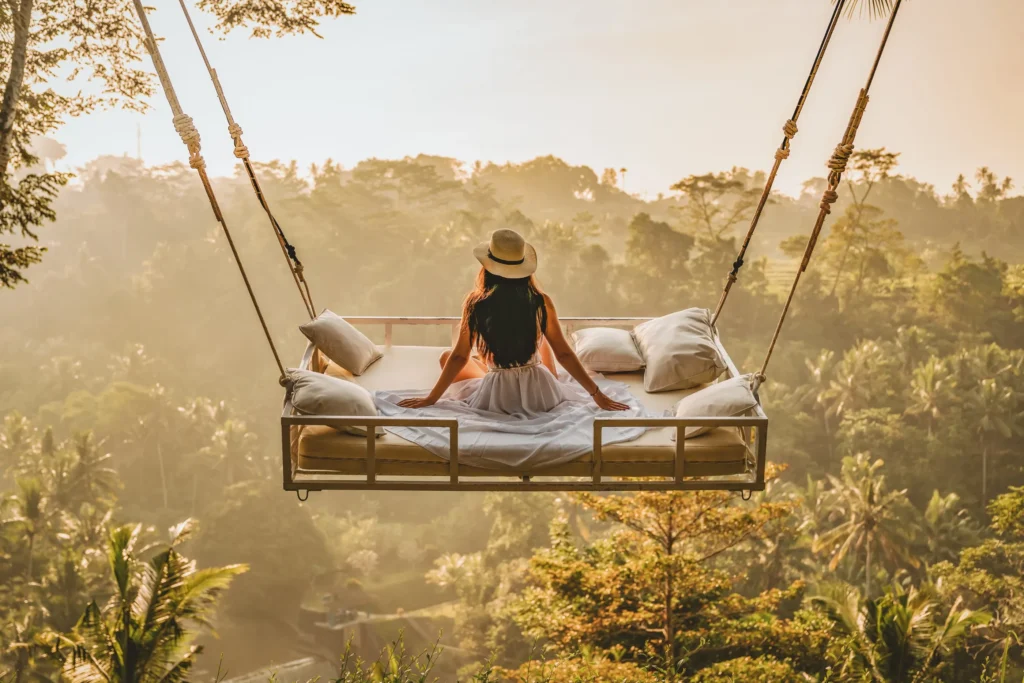
In today’s fast-paced world, vacations are no longer just about ticking off sights or chasing adventures. A new trend is quietly reshaping how people travel: sleep tourism. Instead of packing their days full, more tourists are choosing destinations and stays designed solely for better rest — be it through blackout rooms, soundproofing, curated sleep experiences, or retreats focused on wellness.
What Exactly Is Sleep Tourism?
Sleep tourism is travel with the primary purpose of improving sleep quality. Think of it as wellness tourism focused just on rest. It involves:
- Hotels or resorts optimized for sleep (e.g. blackout curtains, noise isolation, high-quality mattresses)
- Curated routines like guided meditation, gentle yoga, sound therapy
- Locations chosen for quiet, ambient calm — remote, nature settings, low light pollution
- Digital detox elements: minimal screens, limited connectivity
- Sleep coaching or expert guidance included as part of the package
Travelers are not just recharging — they’re prioritizing rest as the destination itself.
Why Sleep Tourism Is Taking Off
Several forces are fueling this shift:
- Burnout & lifestyle fatigue
Many travellers are already exhausted. Rather than “go go go,” they want to unwind deeply. - Mental wellness becomes central
Vacations are increasingly seen as necessary for psychological as well as physical health. - Young travelers lead the change
Millennials and Gen Z especially are willing to spend on curated wellness experiences. - Influence of wellness and self-care culture
As wellness tourism grows, sleep (the most fundamental wellness need) naturally finds its place. - Differentiation in the crowded travel market
Hotels and resorts compete by offering niche experiences; sleep optimization gives them a unique edge. - Scientific interest in sleep & recovery
As more research confirms the health benefits of quality sleep, demand grows for environments that foster it.
Examples & Destinations
- Sleep retreats in nature settings with minimal distractions
- Boutique hotels in urban centers that advertise “sleep packages”
- Dark sky regions (areas far from city lights) to encourage restful nights
- Digital detox lodges that enforce offline time
- Sound-healing or frequency therapy resorts that incorporate sleep tech
Some hotels already offer curated sleep menus: pillow choices, ambient soundscapes, room aromatherapy. Others go further — sleep coaching or circadian lighting systems are built in.
Challenges & Considerations
- Cost vs perceived value
Some travelers may balk at paying a premium for “just sleep.” The value proposition needs clarity. - Authenticity
If overhyped, “sleep packages” may feel gimmicky. Execution must deliver on promise. - Scalability
Sleep-optimized environments aren’t easily replicated in crowded, noisy tourist hotspots. - Marketing & communication
Convincing travellers that better sleep is a worthy travel goal — not just rest — requires smart messaging. - Measuring outcomes
How do you quantify “I slept better”? Reviews and repeat stays can help, but objective metrics (sleep tracking) raise privacy and complexity issues.
What This Means for Travel Brands & Bloggers
- Hotels, resorts, and lodges should explore sleep-centric packages to stand out
- Collaborate with sleep specialists, wellness brands, and tech firms (sleep trackers, ambient lighting)
- Content creators and bloggers can spotlight experiences, tips, and reviews of sleep tourism — this niche is gaining curiosity
- Position subtly: not “tourism for the tired,” but premium wellness, recovery, high quality of life
Sleep tourism represents a subtle but meaningful shift: from destination doing to destination being. In the evolving landscape of travel, where mental wellness and experience matter more than ever, offering people the gift of better sleep might just be the next frontier.